
 English
 Español
 Tiếng Việt

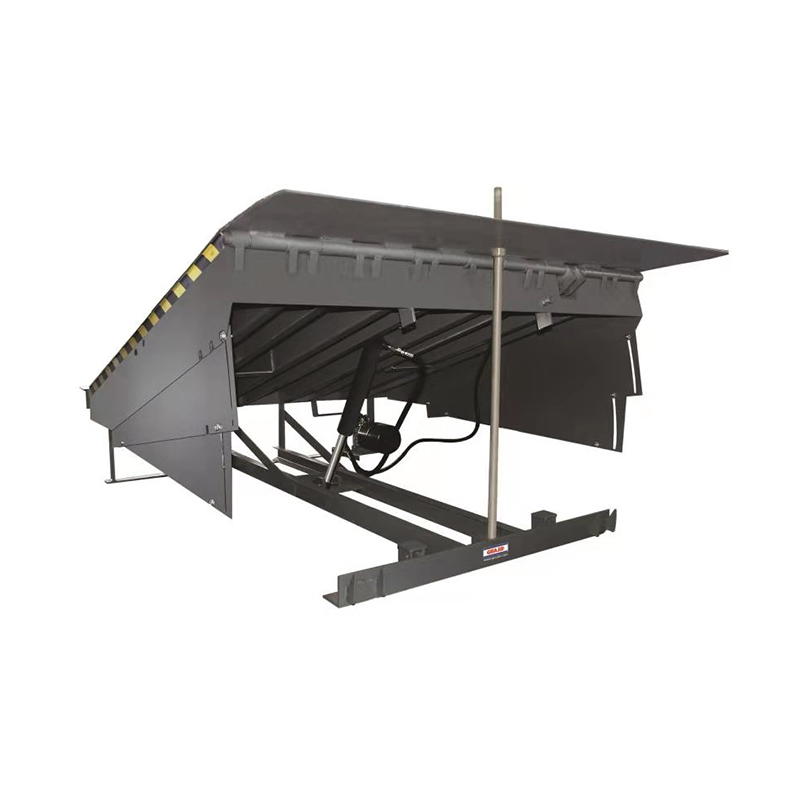
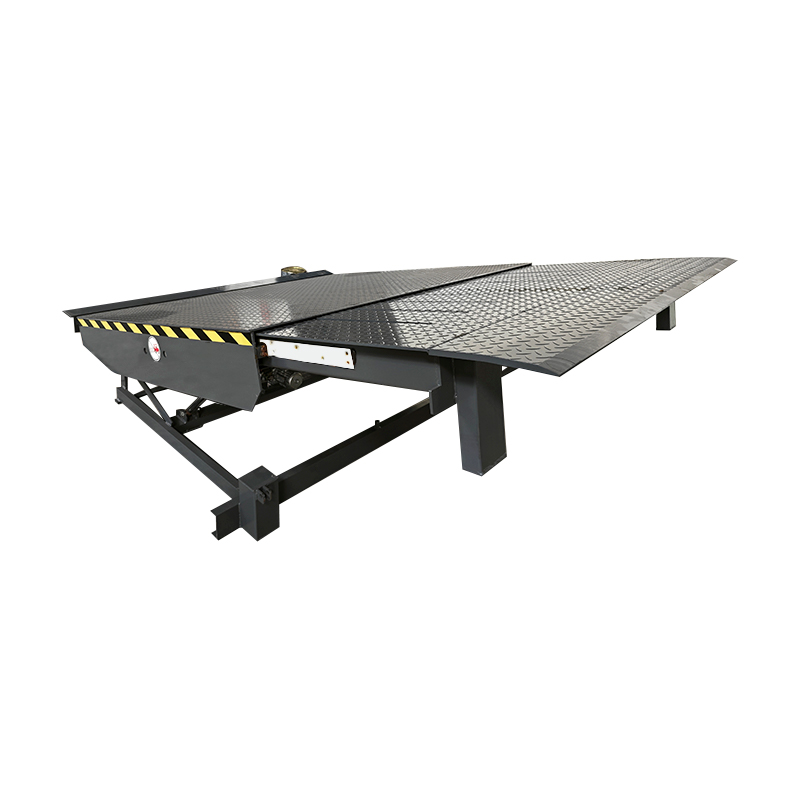
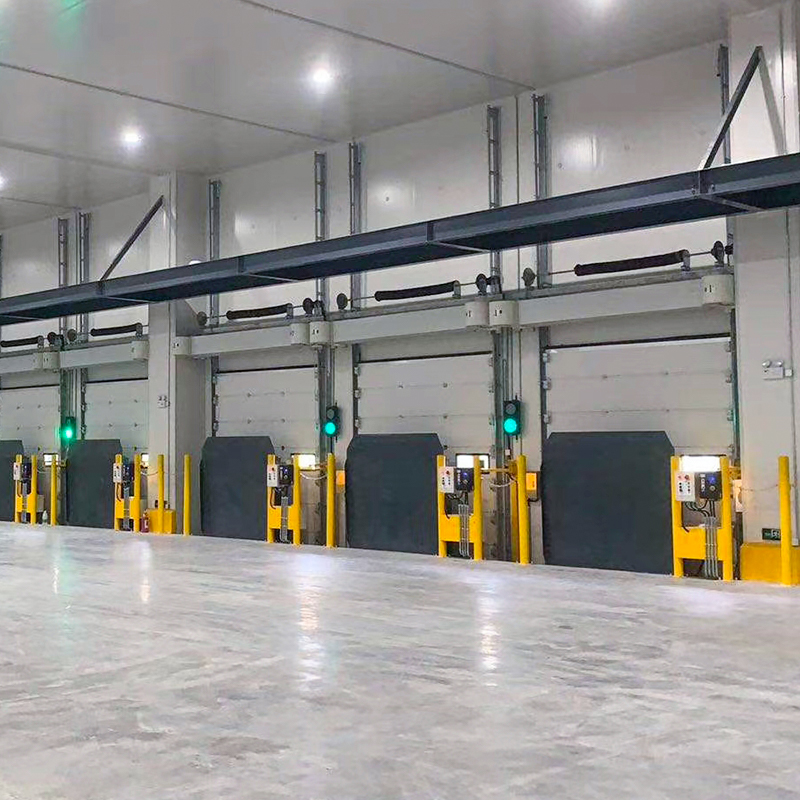
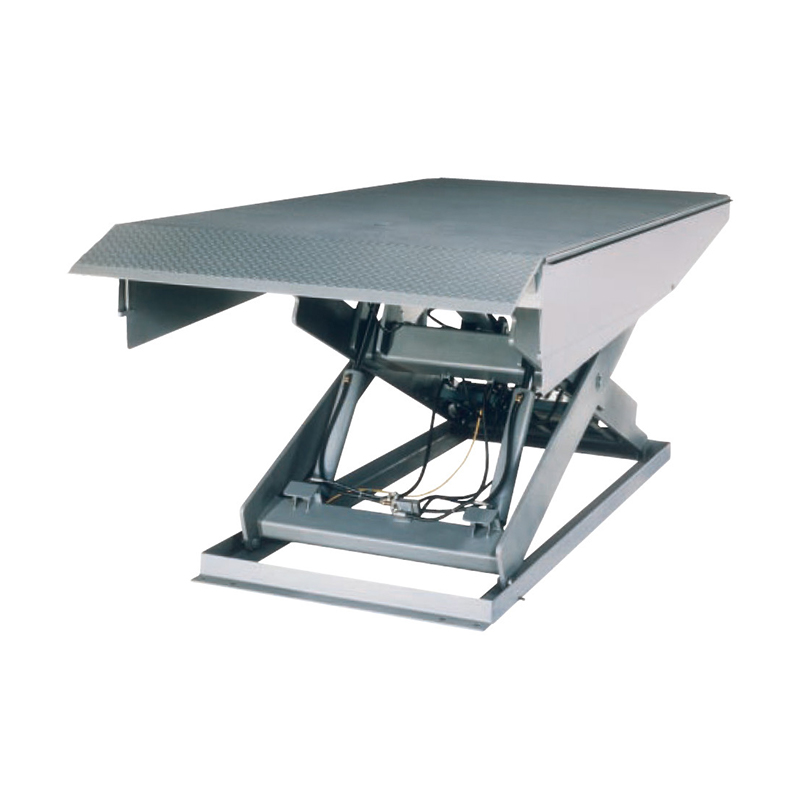
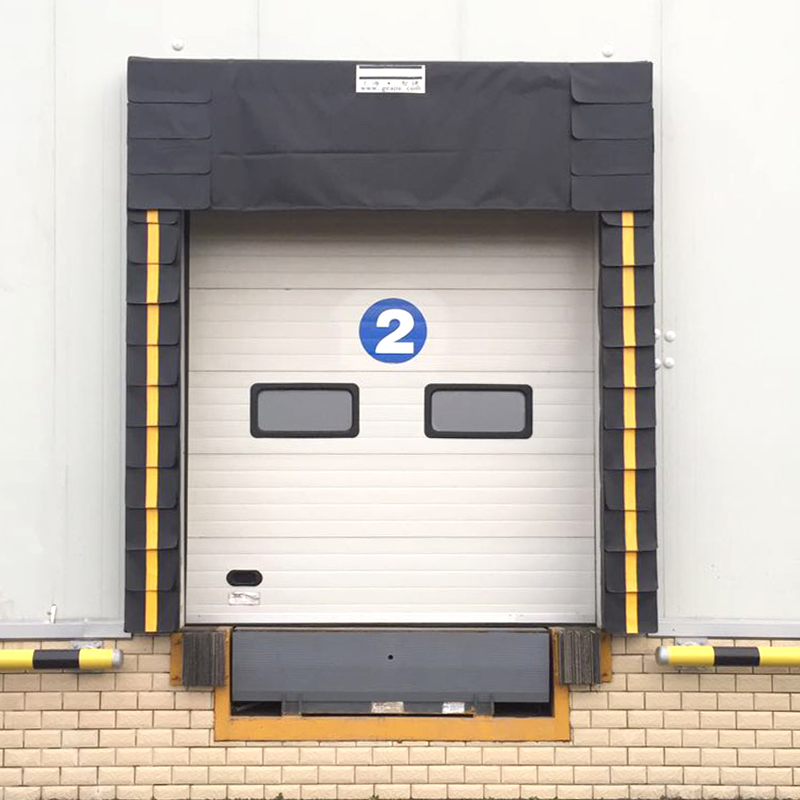
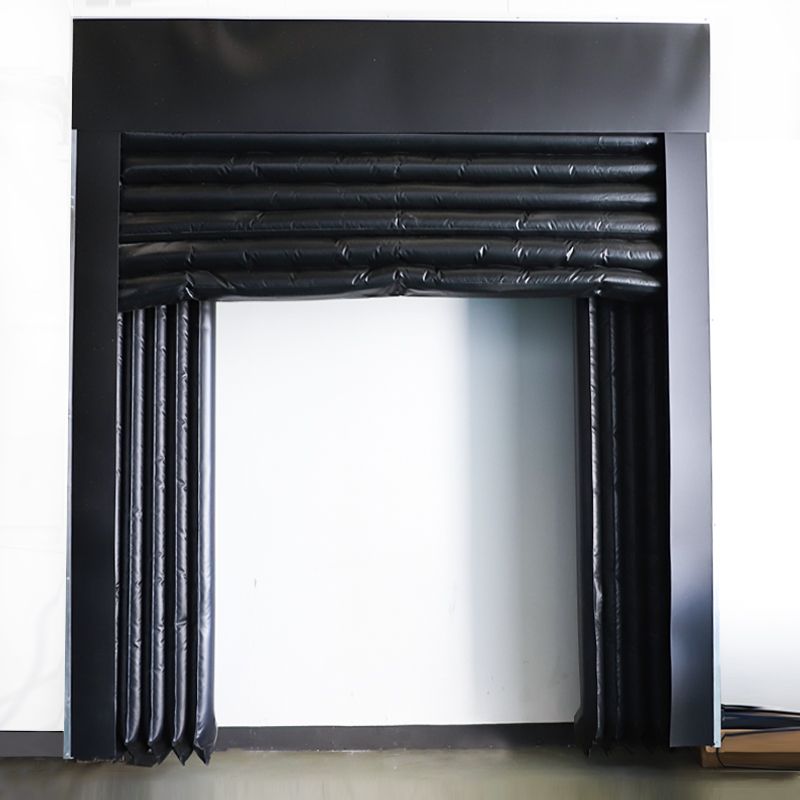
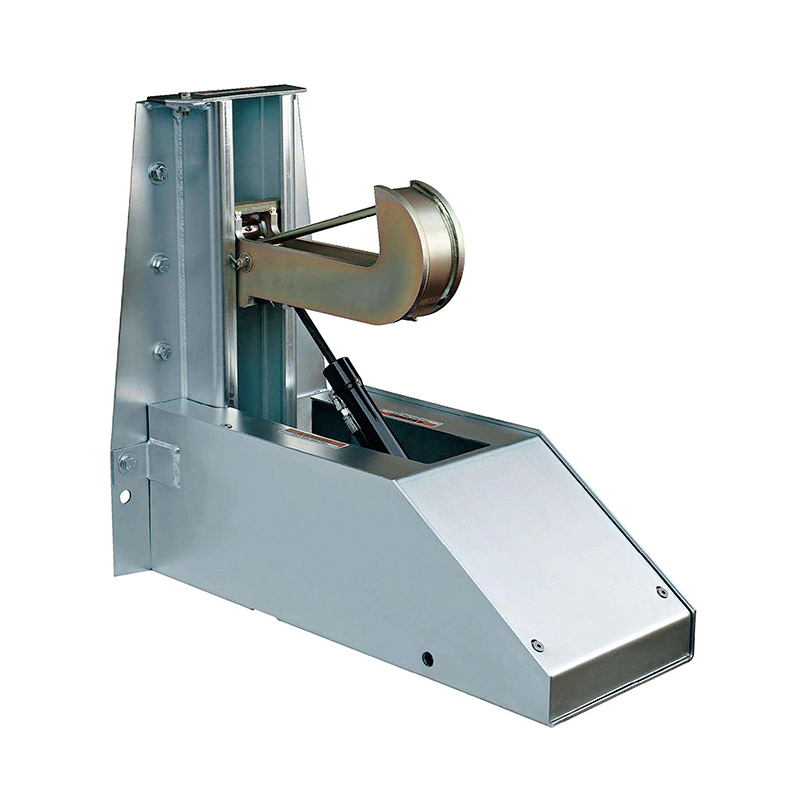
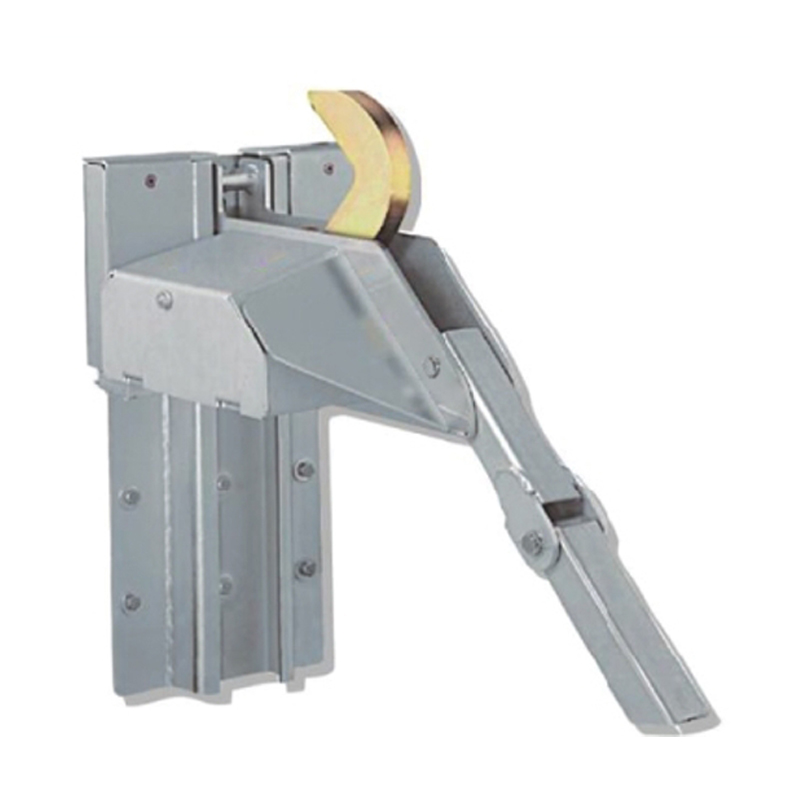
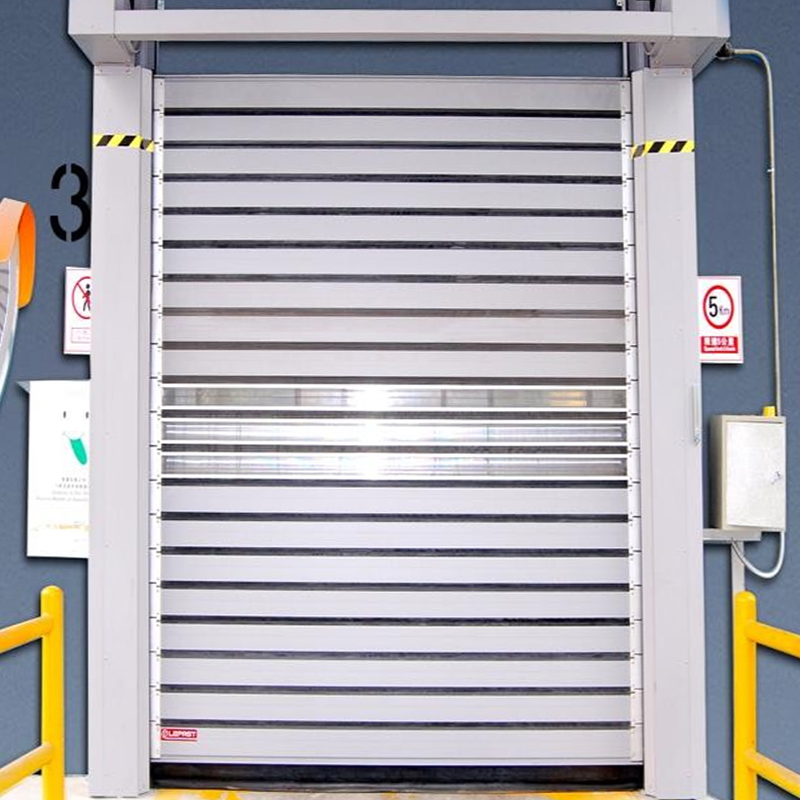
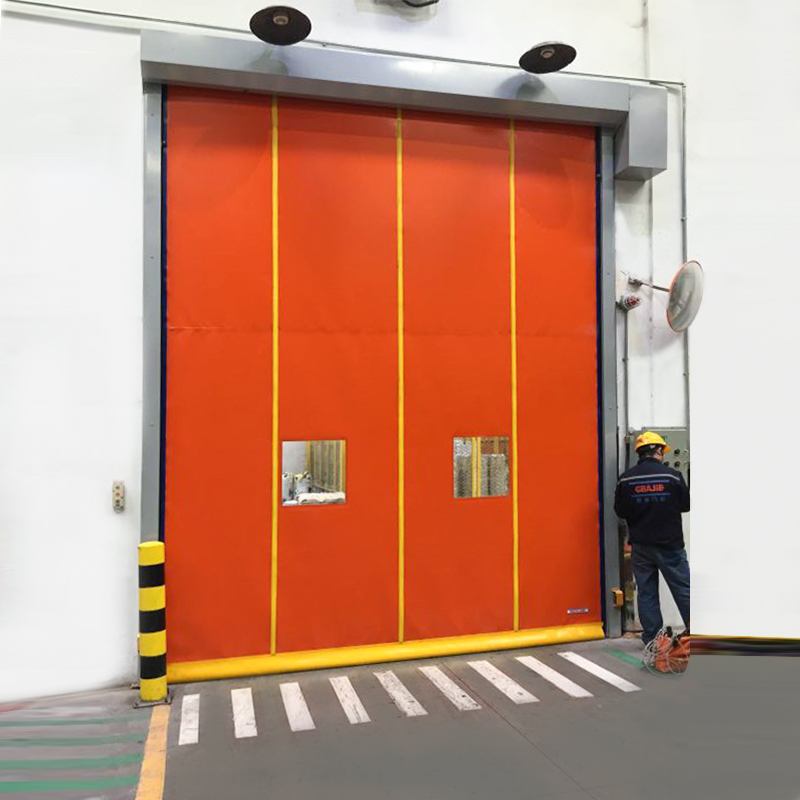
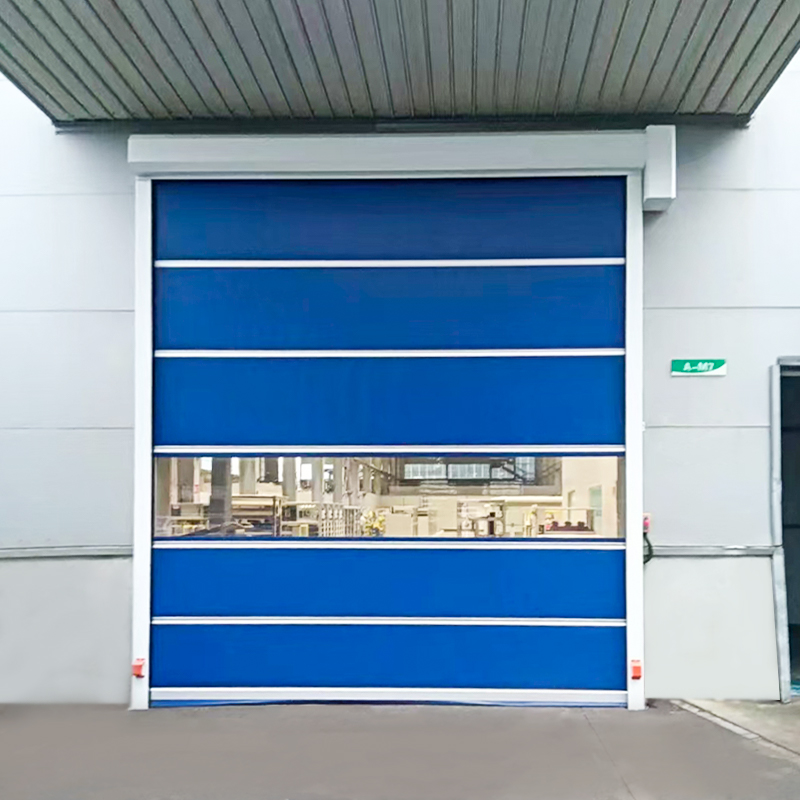
An toàn cơ sở · Rủi ro về bến tàu đang tải Những loại chấn thương hoặc tai nạn nào mà Dock Leveler giúp ngăn ngừa? Một bệ nâng, mộ...
The key difference between spring-assisted and hydraulic configurations of EOM Industrial Dock Levelers is that hydraulic systems deliver higher automation, smoother operation, and superior load control, while spring-assisted systems provide a more cost-efficient and mechanically simple solution with greater operator involvement.
In practical terms, hydraulic EOM Industrial Dock Levelers typically reduce loading cycle time by 20%–35%, while spring-assisted models reduce upfront investment costs by approximately 15%–30%. The selection depends heavily on operational intensity, budget constraints, and maintenance capacity.
Operating Mechanism and Core Functional Differences
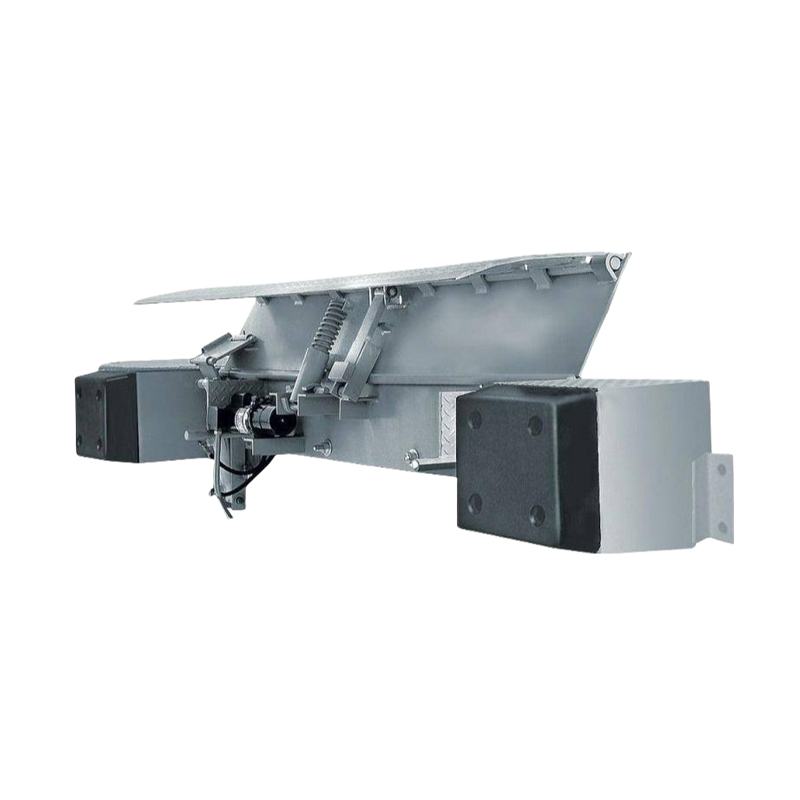
Spring-assisted EOM Industrial Dock Levelers rely on mechanical springs to store and release energy during platform adjustment. Operators typically engage manual pull chains or activation levers, requiring more physical input. This design is robust and less dependent on power systems.
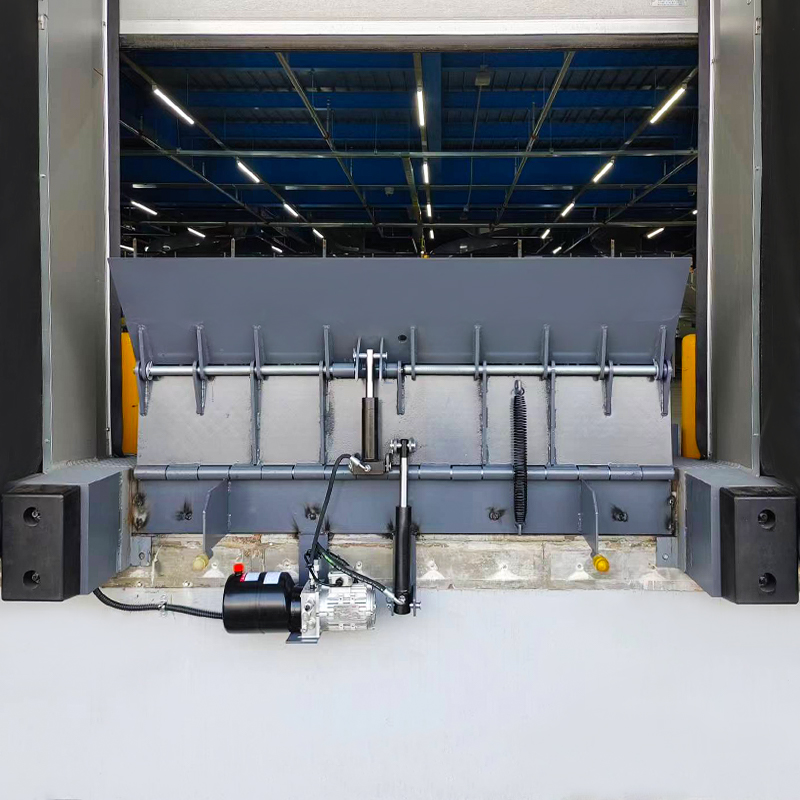
In contrast, hydraulic systems use pressurized fluid cylinders to raise and lower the dock platform. This allows smoother transitions, automatic lip extension, and better synchronization with truck bed height variations.
Performance Impact of Mechanisms
- Hydraulic systems offer near-continuous lifting force for heavy-duty operations exceeding 20,000–30,000 lbs.
- Spring-assisted systems are typically optimized for moderate loads up to 10,000–15,000 lbs.
- Hydraulic models provide smoother dock-to-trailer transitions, reducing cargo shock damage risk.
Load Handling Efficiency and Real-World Performance
When evaluating performance in busy logistics environments, hydraulic EOM Industrial Dock Levelers consistently outperform spring-assisted systems in cycle speed and consistency. A typical hydraulic unit can complete a full loading cycle in under 60–90 seconds, while spring-assisted units may require 90–120 seconds.
For high-frequency warehouses handling over 150 dock movements per day, hydraulic systems significantly reduce bottlenecks. However, spring-assisted systems remain effective in smaller facilities with intermittent shipping schedules.
Operational Suitability
- Hydraulic: High-volume distribution centers and automated logistics hubs.
- Spring-assisted: Light-to-medium warehouses and cost-sensitive operations.
Maintenance Requirements and Lifecycle Cost Considerations
Maintenance plays a critical role in total cost of ownership. Spring-assisted EOM Industrial Dock Levelers generally require fewer specialized components, making repairs simpler and less expensive. However, mechanical wear on springs can increase over time under frequent use.
Hydraulic systems require periodic inspection of fluid lines, seals, and pumps. While maintenance is more technical, the system lifespan often exceeds 10–15 years with proper servicing.
The hydraulic dock leveler price is typically higher upfront, but operational efficiency and reduced downtime often offset long-term costs in high-demand environments.
Installation Flexibility and Space Optimization
Installation requirements differ significantly between the two configurations. Spring-assisted systems are mechanically simpler and can be installed with fewer hydraulic integrations, making them faster to deploy.
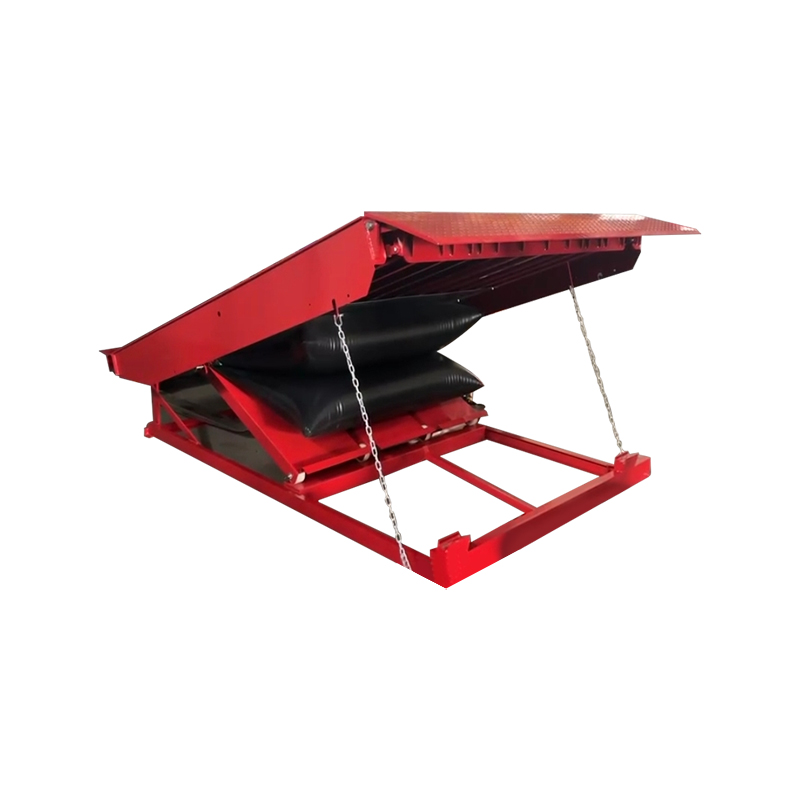
Hydraulic systems require power supply integration and control systems, but they offer greater flexibility in advanced dock environments, including compatibility with a vertical storing dock leveler design that maximizes dock door clearance when not in use.
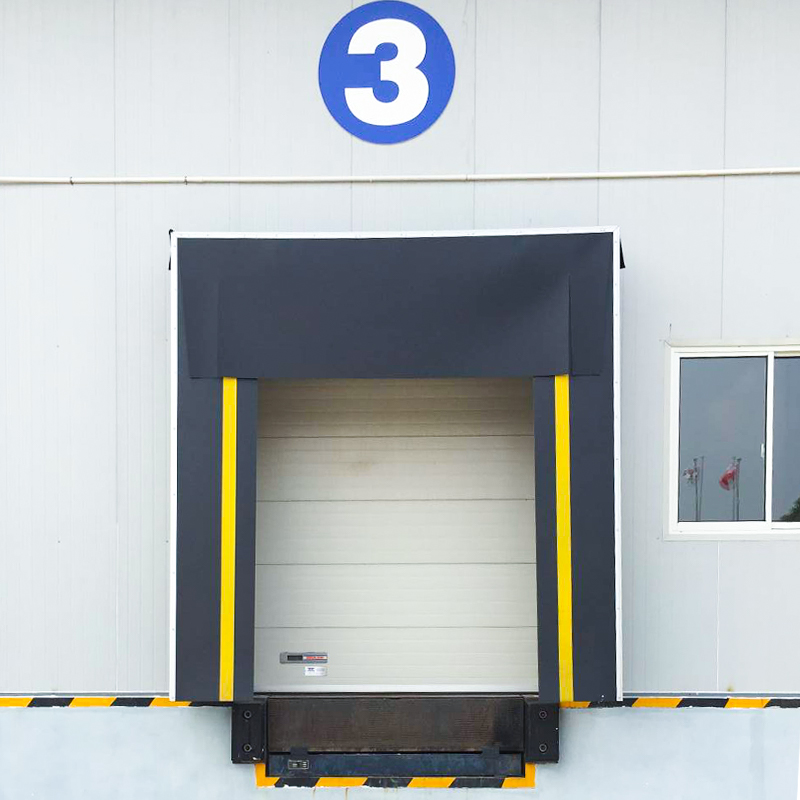
Vertical storing configurations are particularly beneficial in temperature-controlled warehouses where air sealing and energy efficiency are priorities.
Safety, Ergonomics, and Operator Experience
Hydraulic EOM Industrial Dock Levelers significantly improve operator safety by reducing manual force requirements. Automated lip extension and controlled descent minimize the risk of sudden platform movement.
Spring-assisted systems, while safe when properly maintained, rely more heavily on operator technique, which can increase variability in performance across shifts.
- Hydraulic systems reduce operator fatigue by up to 40% in high-volume operations.
- Spring-assisted systems require more manual engagement but offer predictable mechanical response.
Dock Leveler Manufacturing Quality and Engineering Factors
The performance gap between spring-assisted and hydraulic systems is also influenced by dock leveler manufacturing quality. Precision welding, steel grade selection, and hydraulic component calibration directly affect durability and operational consistency.
High-quality manufacturing ensures load stability under dynamic forklift movement and reduces long-term deformation of platform components. Hydraulic systems in particular benefit from tighter manufacturing tolerances due to fluid pressure sensitivity.
Comparative Performance Summary Table
| Feature | Spring-Assisted | Hydraulic |
|---|---|---|
| Load Capacity | 10,000–15,000 lbs | 20,000–30,000+ lbs |
| Cycle Time | 90–120 sec | 60–90 sec |
| Maintenance | Lower complexity | Higher technical requirement |
| Initial Cost | Lower | Higher |
